BIRD CORP

Finalised Game Concept- Bird Corp

Visualisation

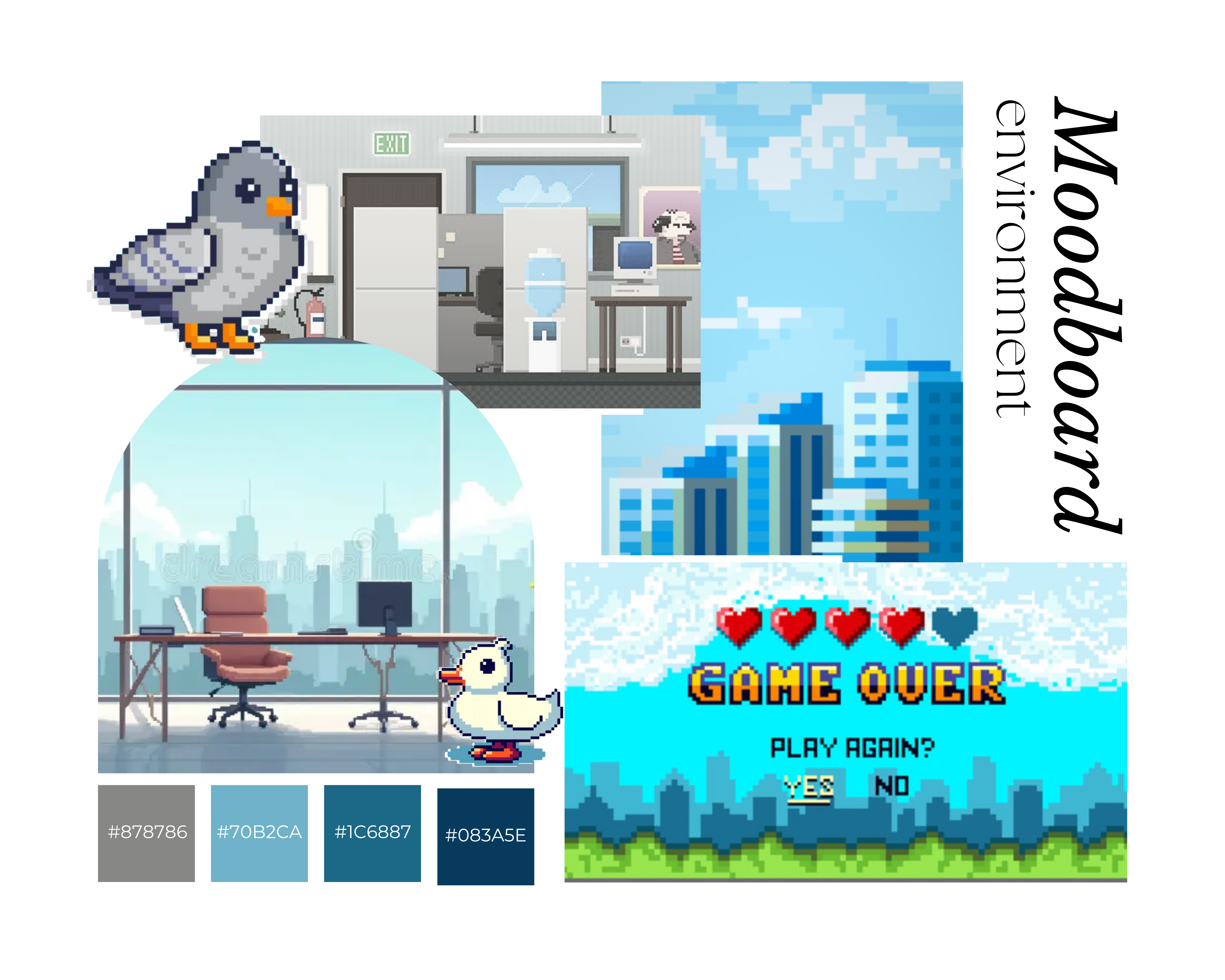
To define the visual direction, I created distinct characters and game environment moodboards which allows me to shape and organise the overall look and feel of my game setting.

Character Moodboard

Character Moodboard

Environment Moodboard

Environment Moodboard

Game Insporation

After trying a game my friend was obsessed with, I realised how much free exploration adds to game immersion. The ability to roam freely between stages made the game feel alive and more interactive. This inspired me to break the rigid structure of Bird Corp, giving players the freedom to explore the office environment freely by themselves.
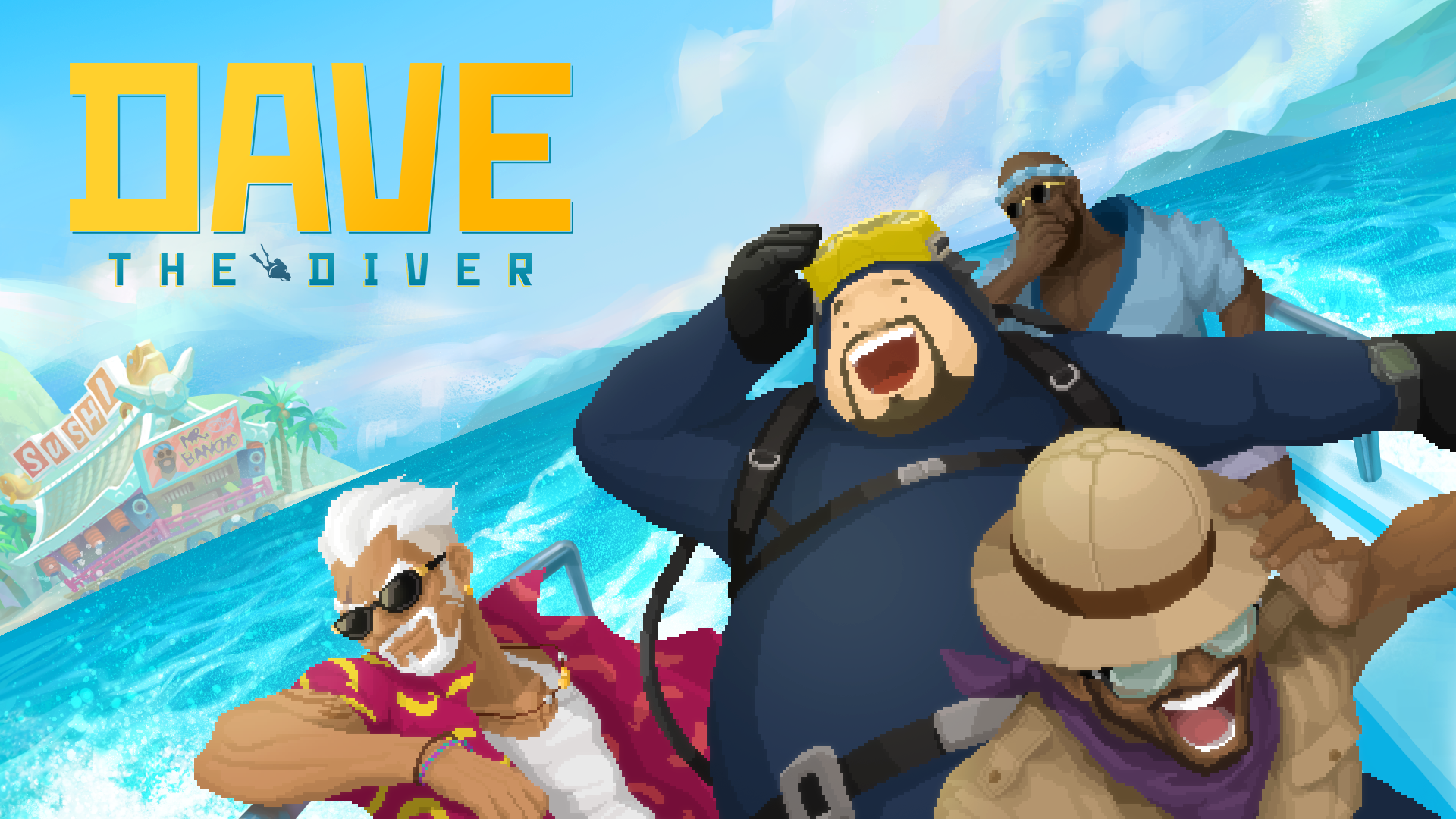
Dave the Diver

Having played this game before, I really enjoyed the rich narrative structure of the gameplay. The way players has the freedom to investigate objects and converse with NPCs, transformed the story from a linear path into a world of discovery. I aim to implement this mechanic into Bird Corp, using optional interactions to deepen the player's understanding of the storyline.
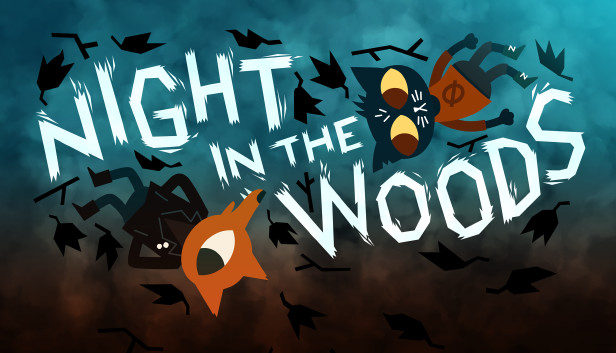
Night in the Woods

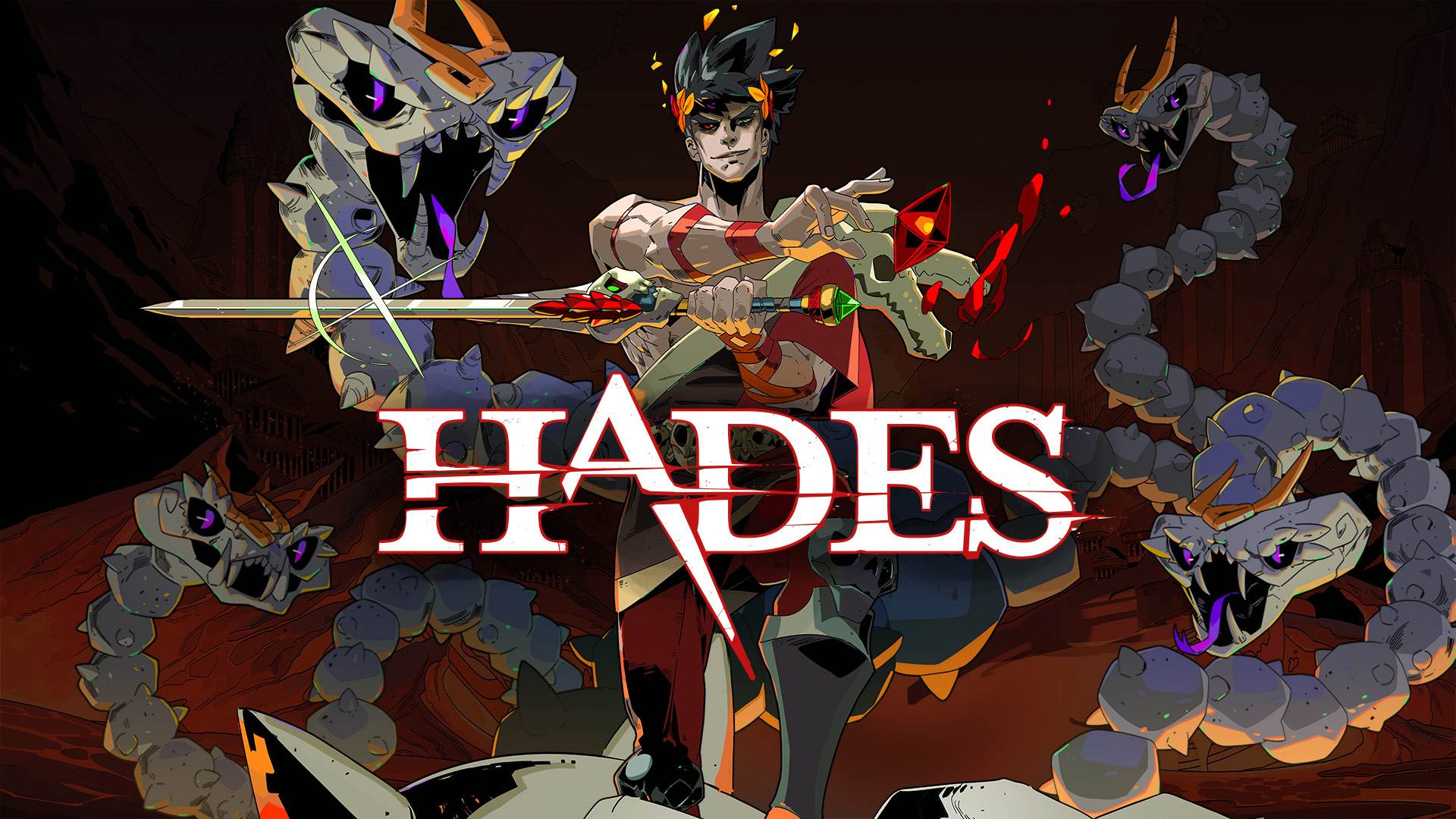
A consultation with Professor Conor McKeown truly inspired me to deepen the game's narrative ambition. Instead of a linear path, he challenged me to create a rich, rewarding story which unlocks a deeper narrative context. Additonally, after the conversation, I decided to adopt a 'failing forward' approach, where poor performance does not trigger a fail state. Instead, my game should provides hints and alternative solutions to guide the player, ensuring the story continues to unfold regardless of skill level which makes the game accessible for everyone to pick up and play.
Hades

Key Takeaways

Free Exploration: Inspired by Dave the Diver to allow office roaming
Rich Narrative: Night in the Woods model of optional NPC interactions
Failing Forward: Hades-inspired approach ensures story continues regardless of skill
Design Philosophy: Reward curiosity with deeper narrative context

Selecting a Pixel Art Tool

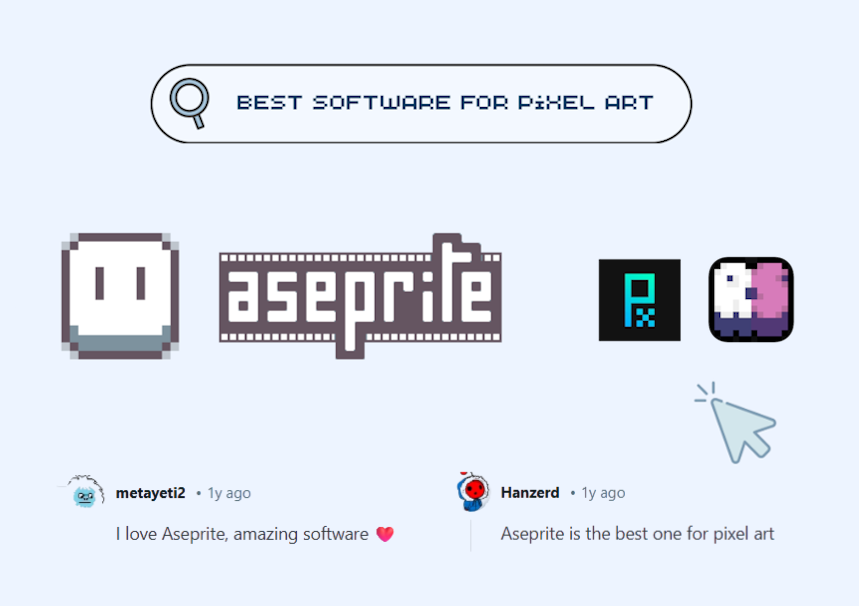
When I started looking into pixel art tools, I wanted to make sure I explored different options before committing to one. After researching online, I kept seeing Aseprite come up in recommendations, and what really drew me to it was how it’s specifically designed for pixel art rather than being a general drawing program. That specialization made it feel like the right choice for what I needed.

Getting it set up was a bit of a learning curve, though. Since Aseprite is only free if you compile it yourself from the GitHub repository, I had to work through an online tutorial to get it installed. It was a bit tedious, but it felt rewarding to figure it out. I also wanted to see what mobile options were available, so I explored apps like Resprite and Pixquare to compare what features they offered and whether working on mobile would better suit my workflow.

Ultimately, I decided that Aseprite would be my main tool for creating pixel art, since it has the most comprehensive features for detailed work. However, I plan to keep the mobile apps as backup options for times when I don’t have access to my laptop. Which is great for sketching ideas or doing quick edits on the go.

Pixel Art Tools

Selecting a Game Engine

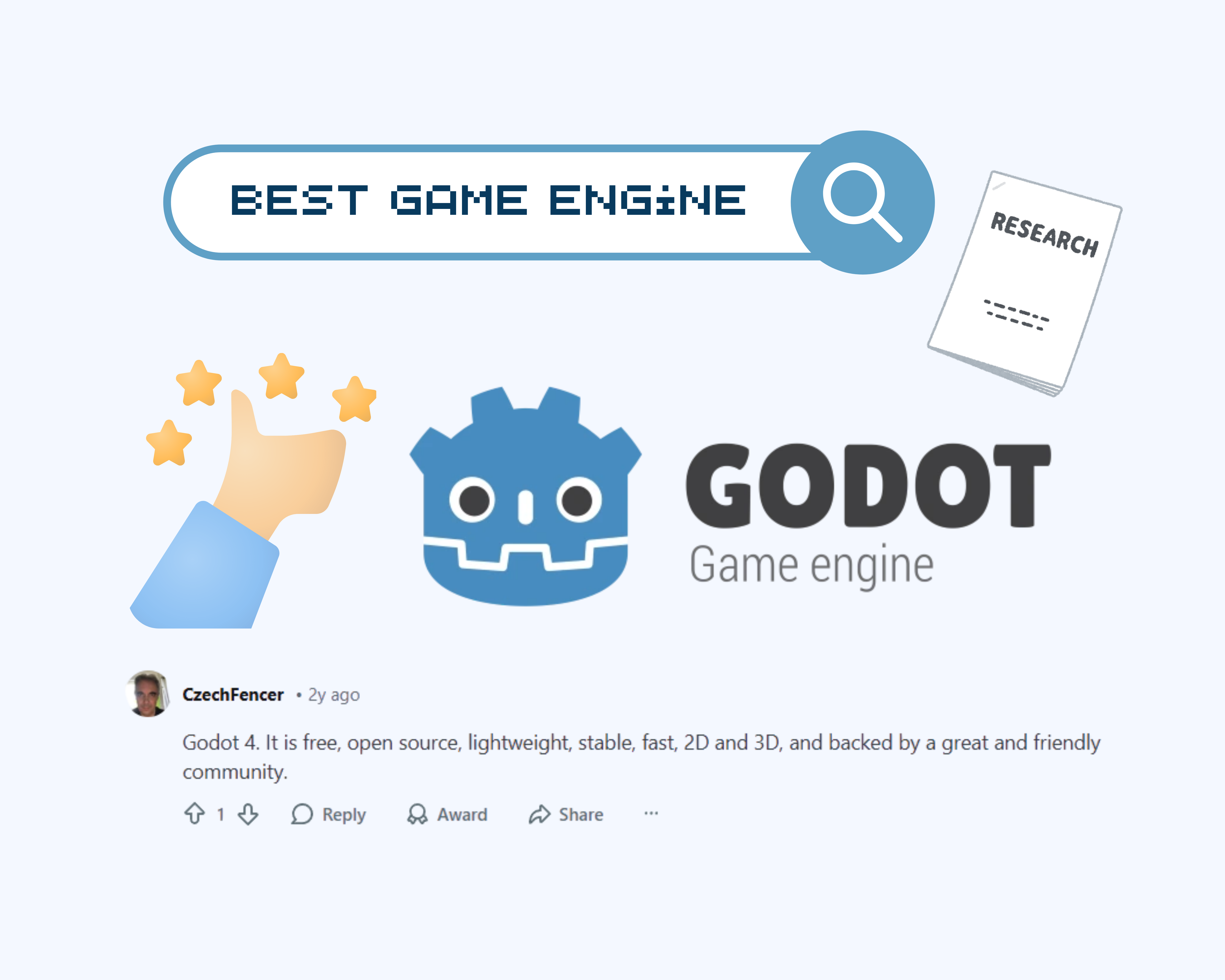
When it came to choosing a game engine, I knew I wanted something free and beginner-friendly. Godot stood out to me because it's completely free and open-source, with a huge community behind it. That community aspect was really important to me as I knew there would be tons of tutorials and resources available online when I needed help. It also seemed well suited for the 2D side-scroller pixel game I wanted to create.

However, partway through development, I hit some roadblocks in Godot and felt genuinely stuck. In a moment of frustration, I decided to try GDevelop, hoping a fresh start with a different engine might help. But after working with it for a bit, I realised GDevelop's process for adding and managing sprites was actually more troublesome than Godot's, which I had found really intuitive. That comparison made me appreciate what I'd already learned in Godot, so I went back to it and focused on working through my original challenges rather than switching tools again.

Godot Game Engine

Godot Game Engine

Game Proposal Submission

Proposal officially submitted! With the heavy lifting of planning and academic research behind me, I can finally transition to the 'hands-on' phase I’ve been waiting for. I am incredibly excited to shift gears from writing to creating, finally drawing out the visualization of Bird Corp that has been living in my mind for weeks. Now, I can begin turning those mental images of bird interns and pixelated office layouts into a tangible, playable reality.