What Is Bird Corp?
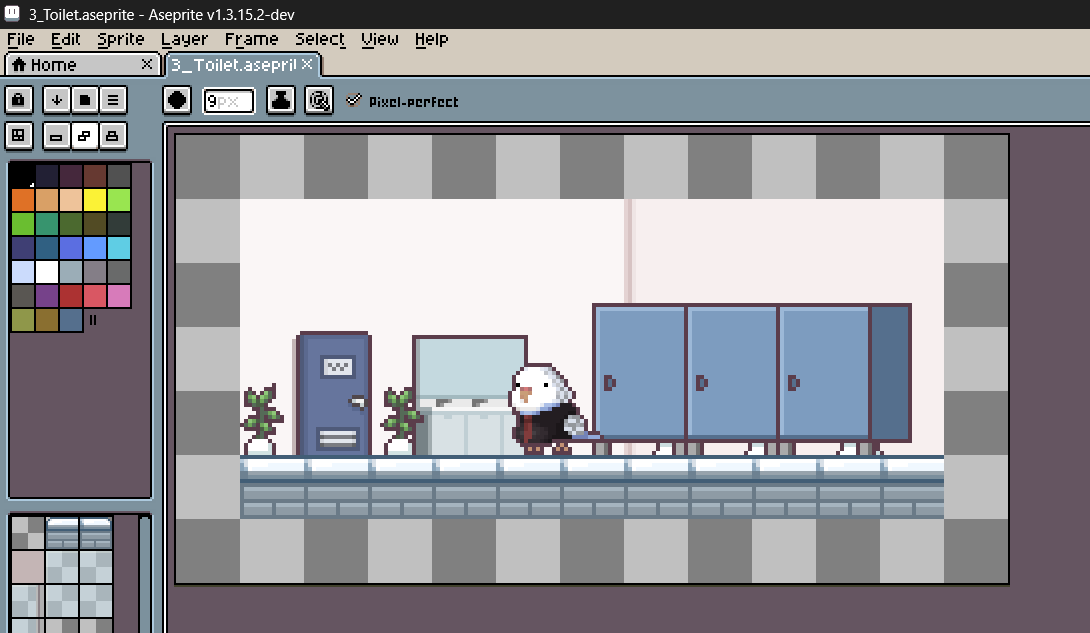
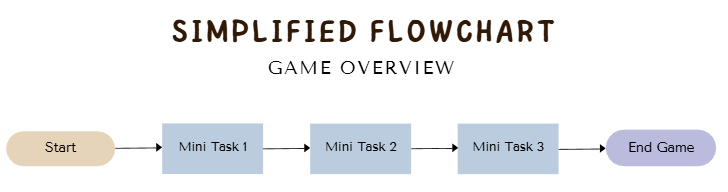
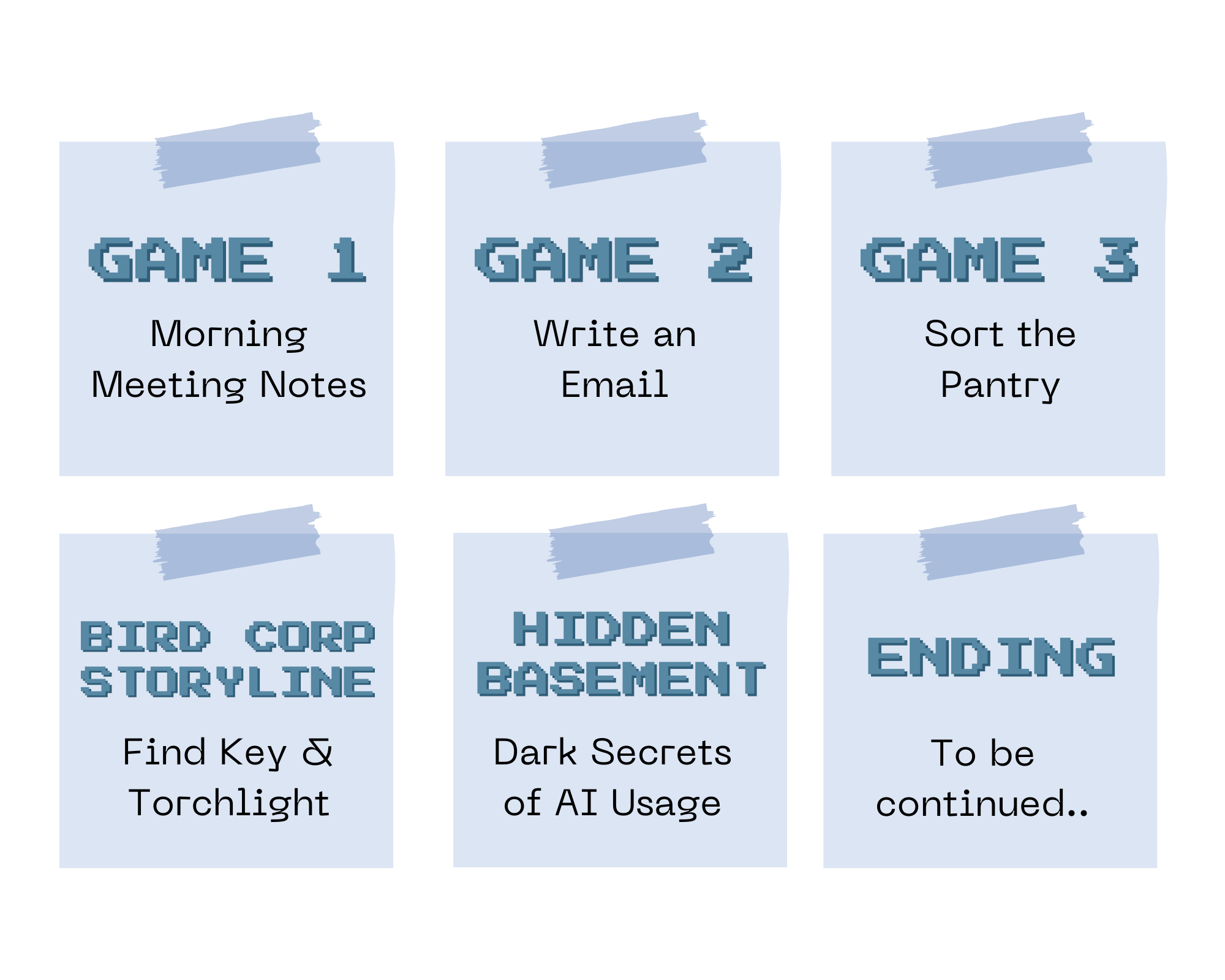
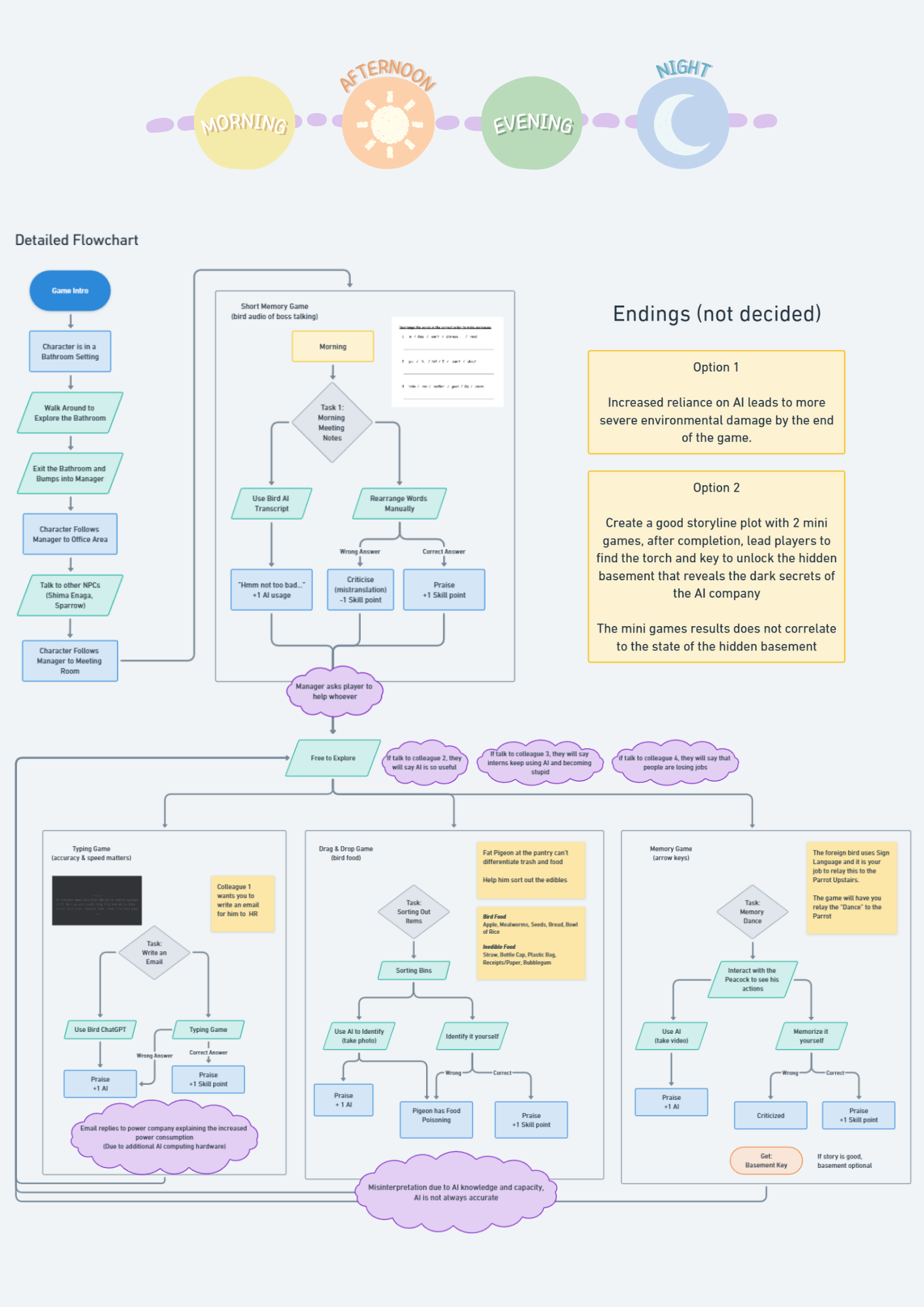
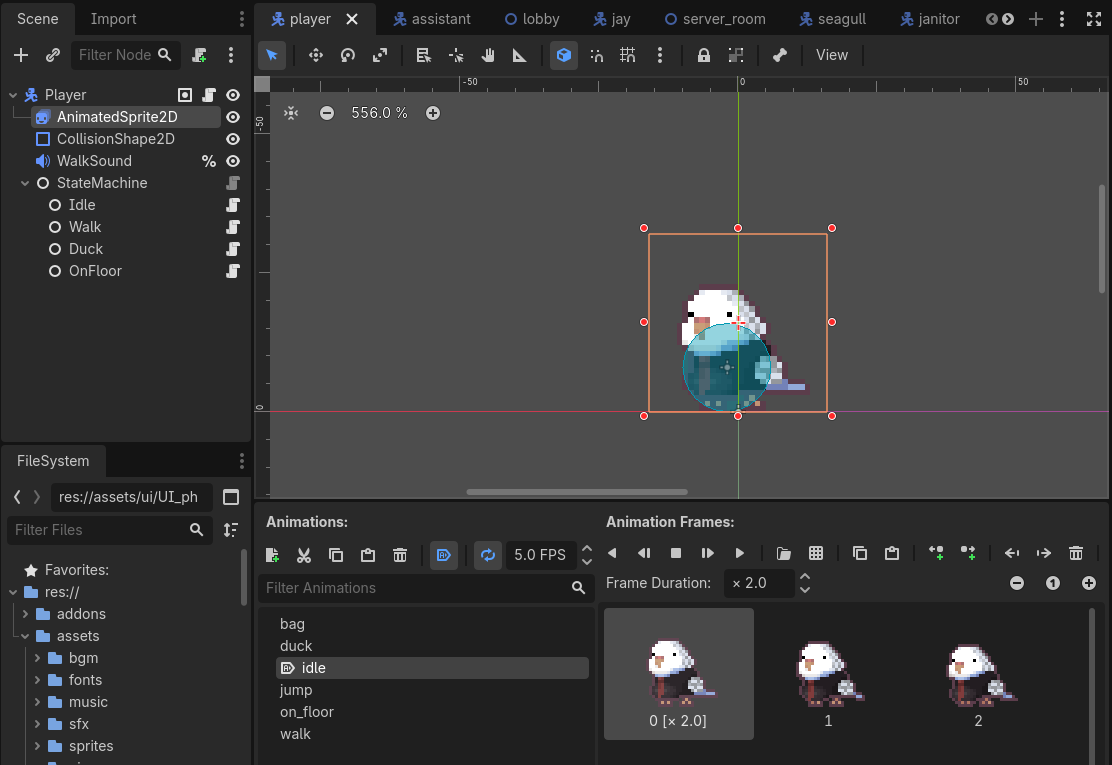
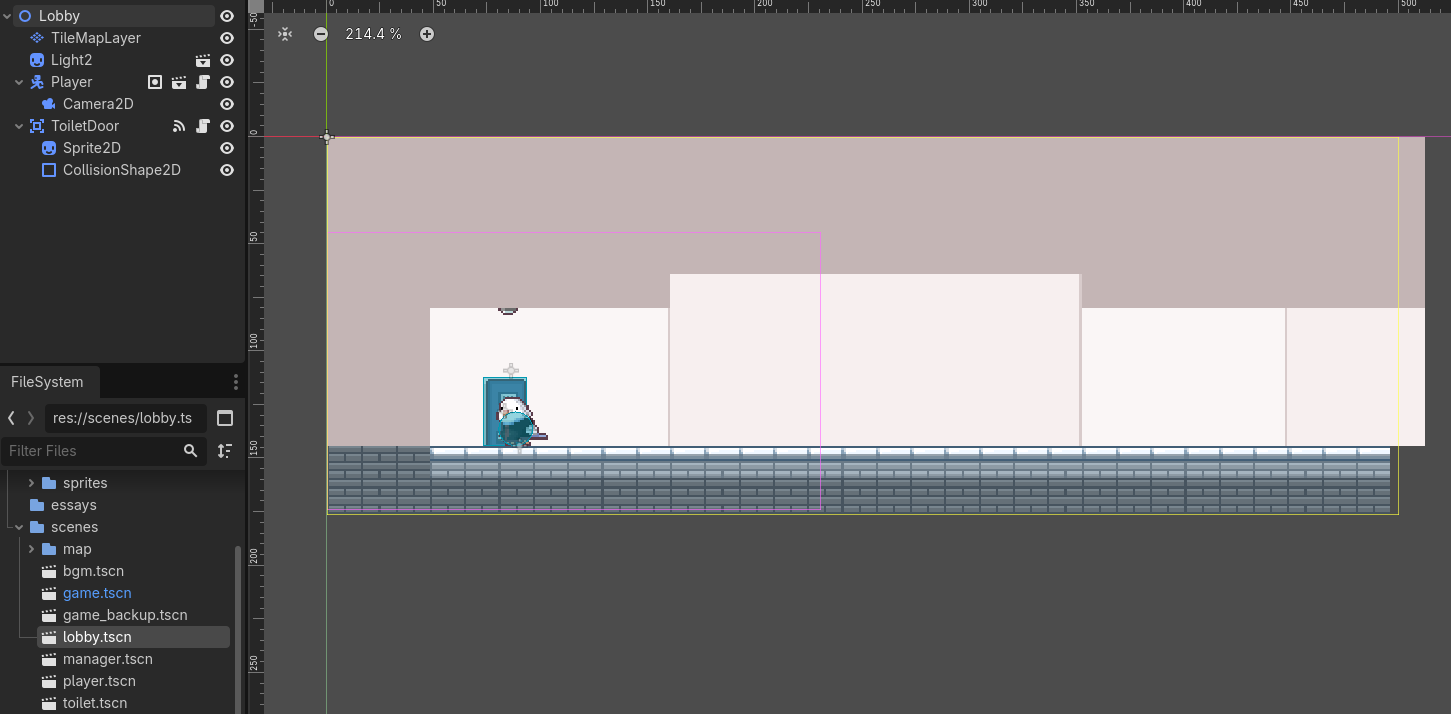
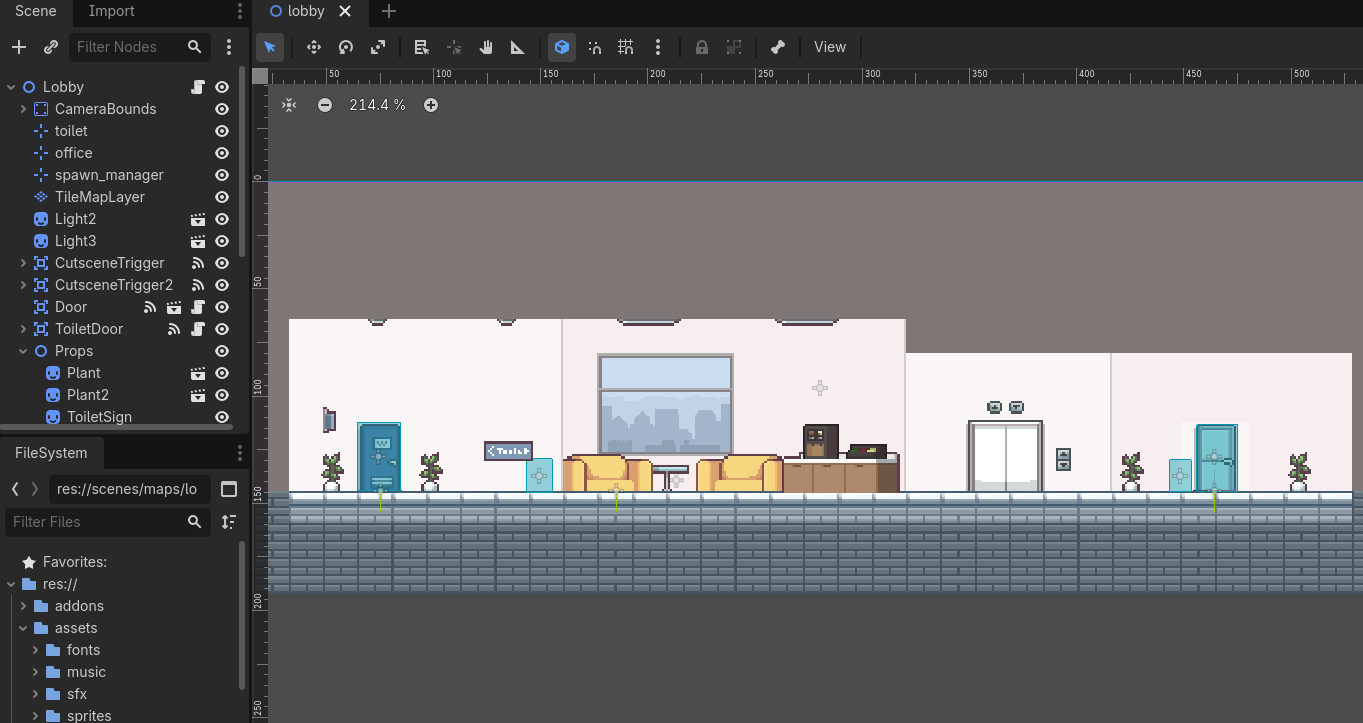
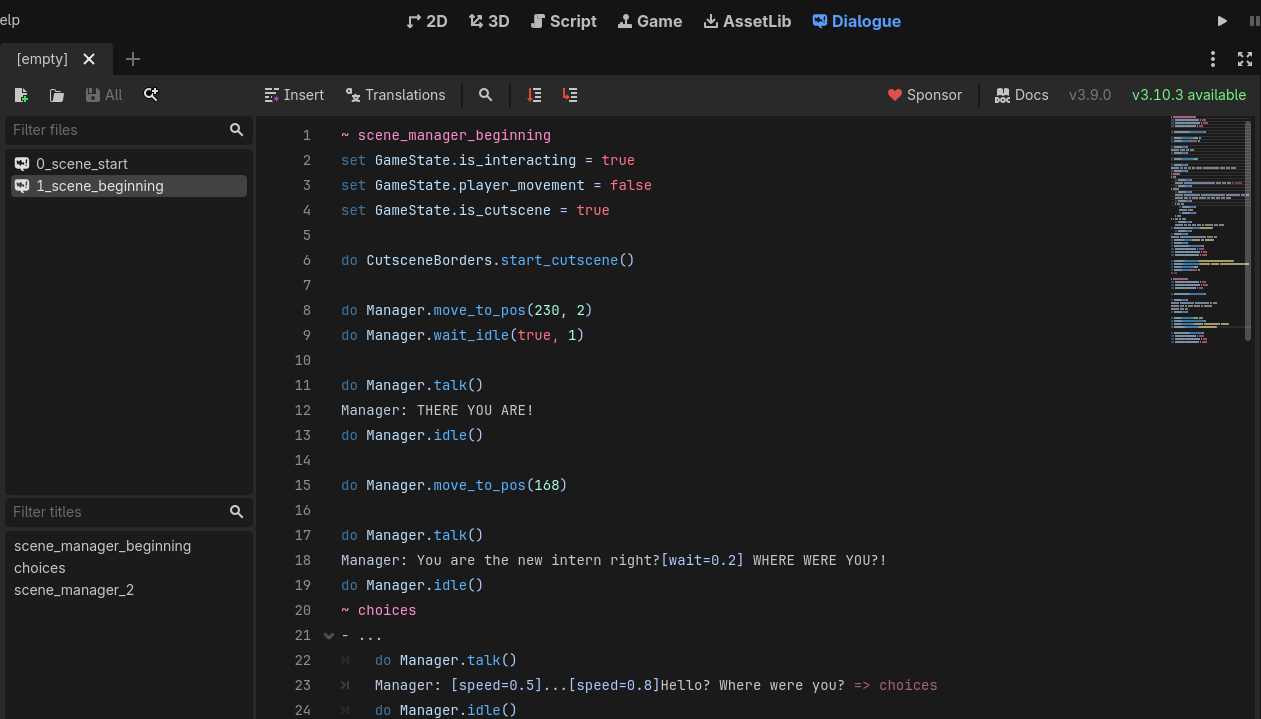
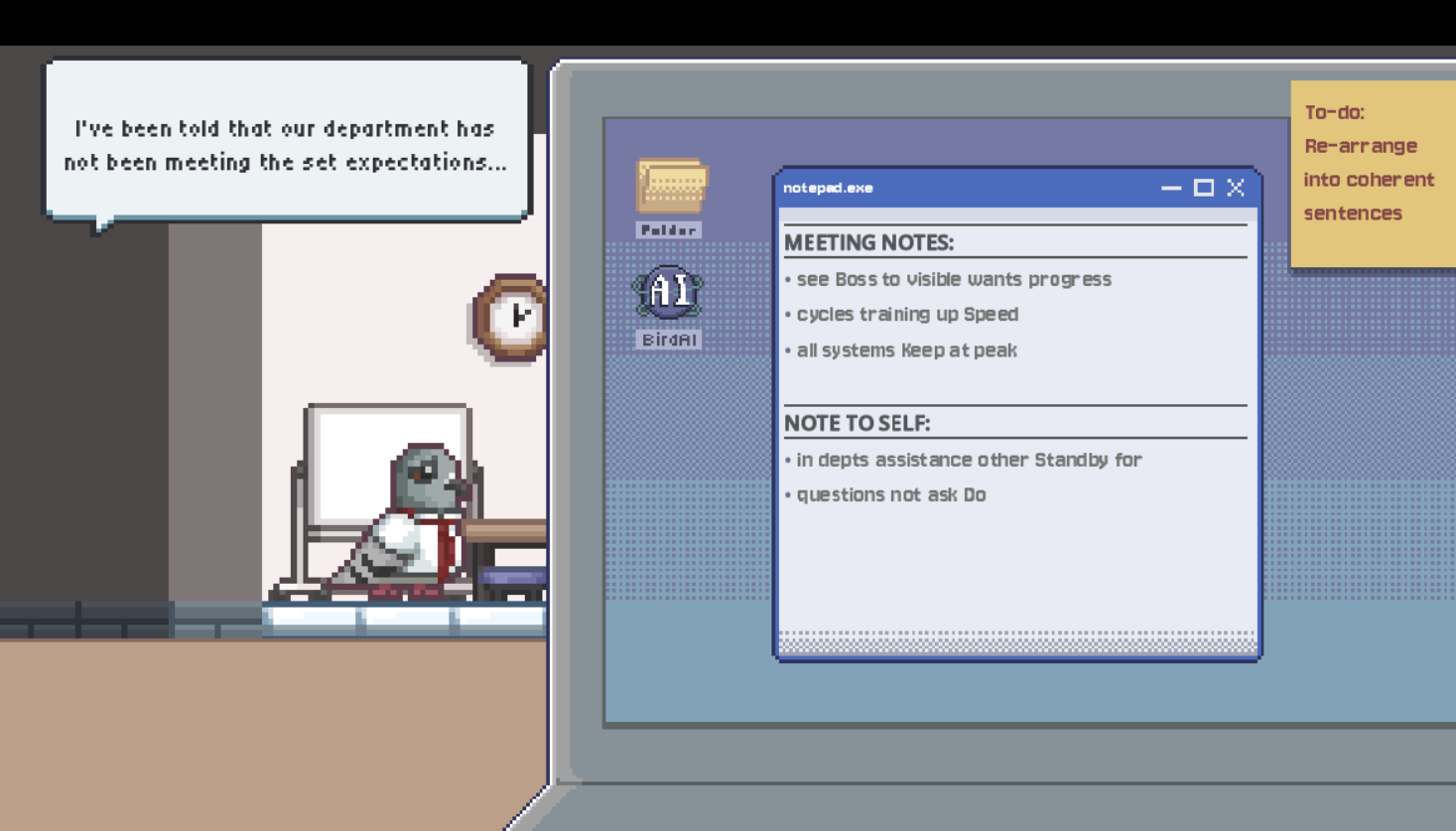
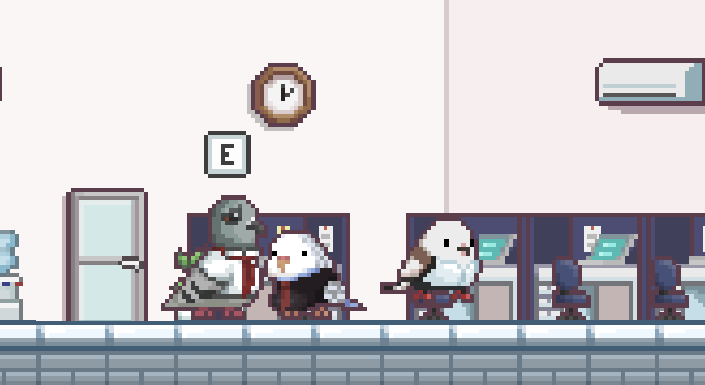
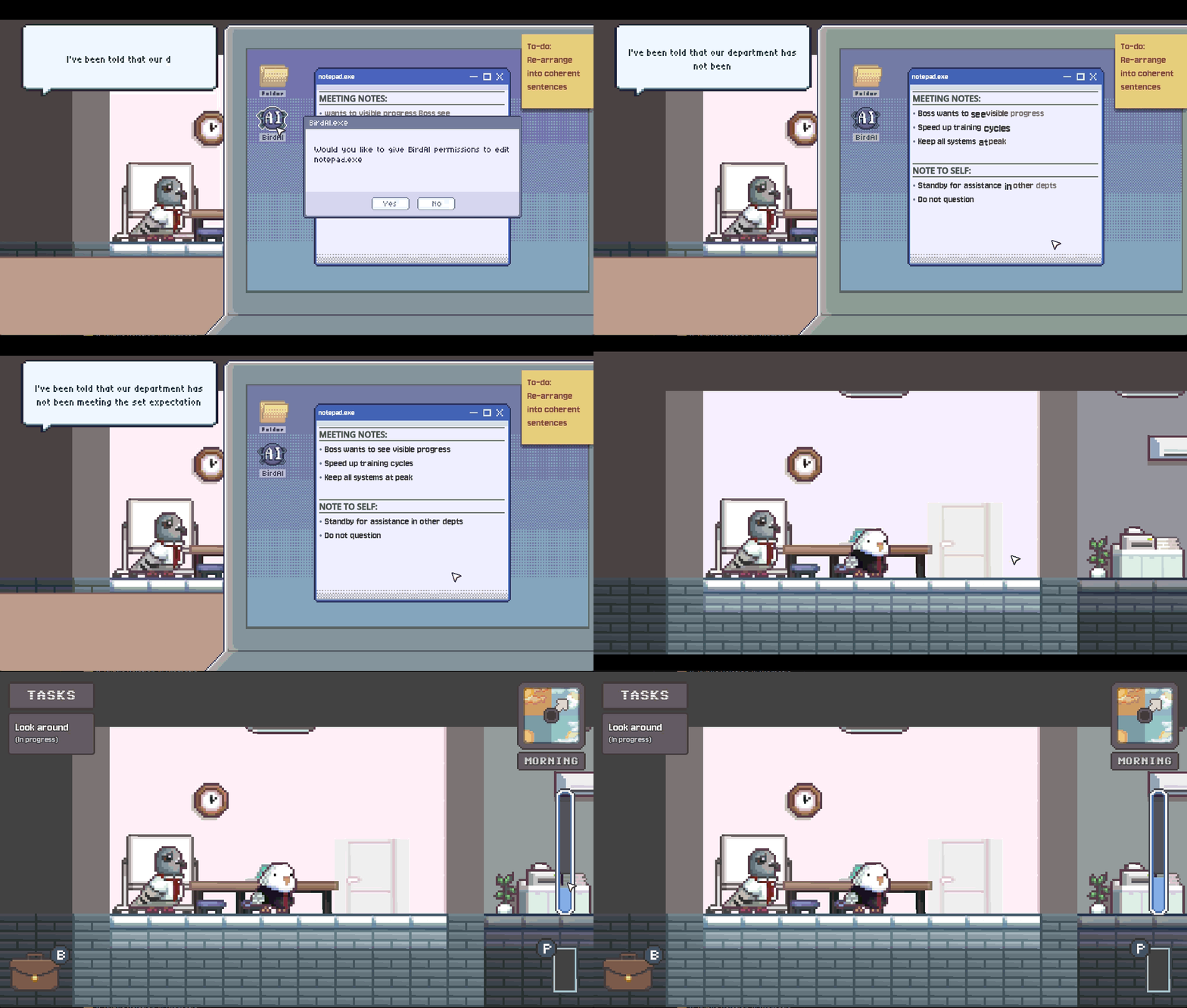
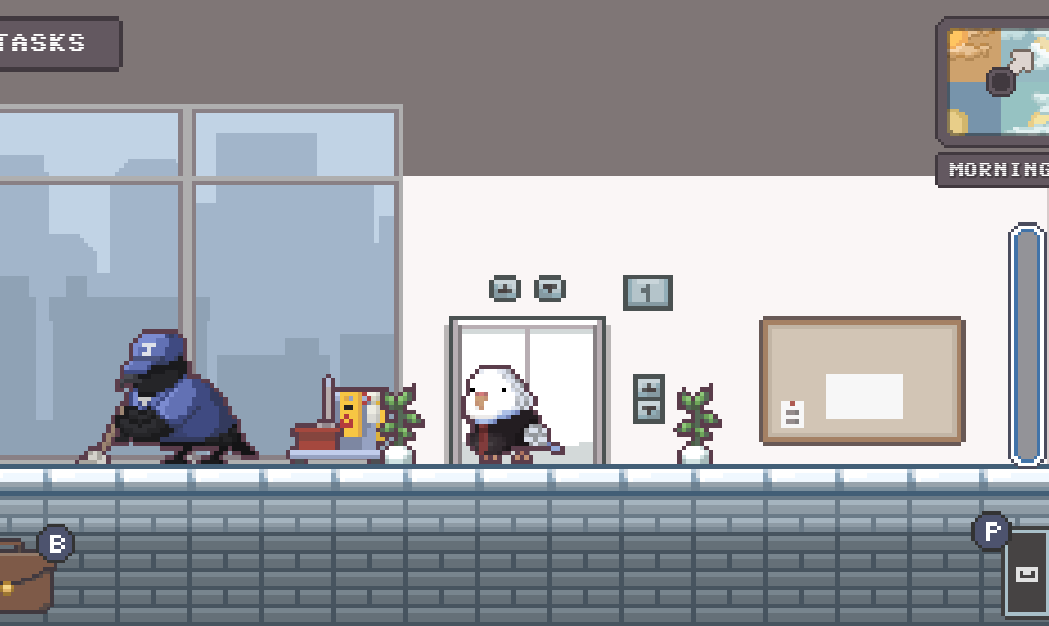
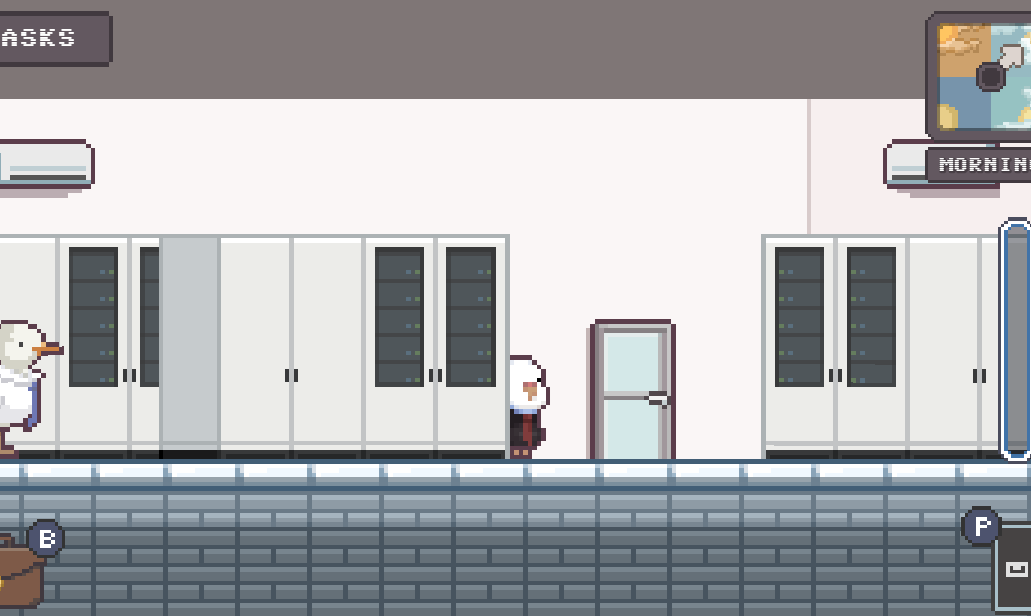
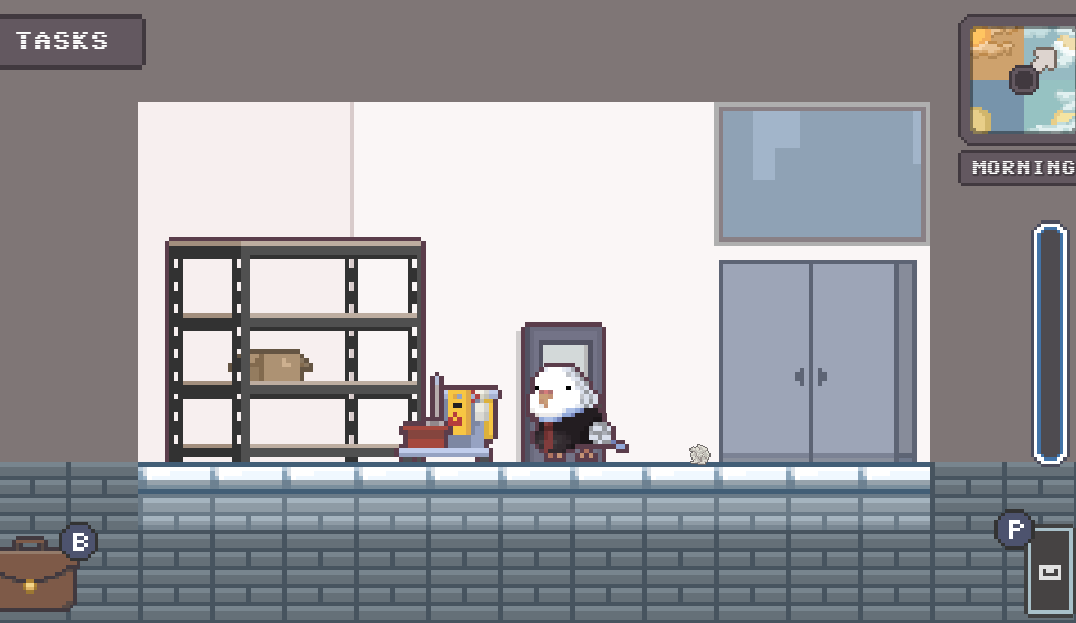
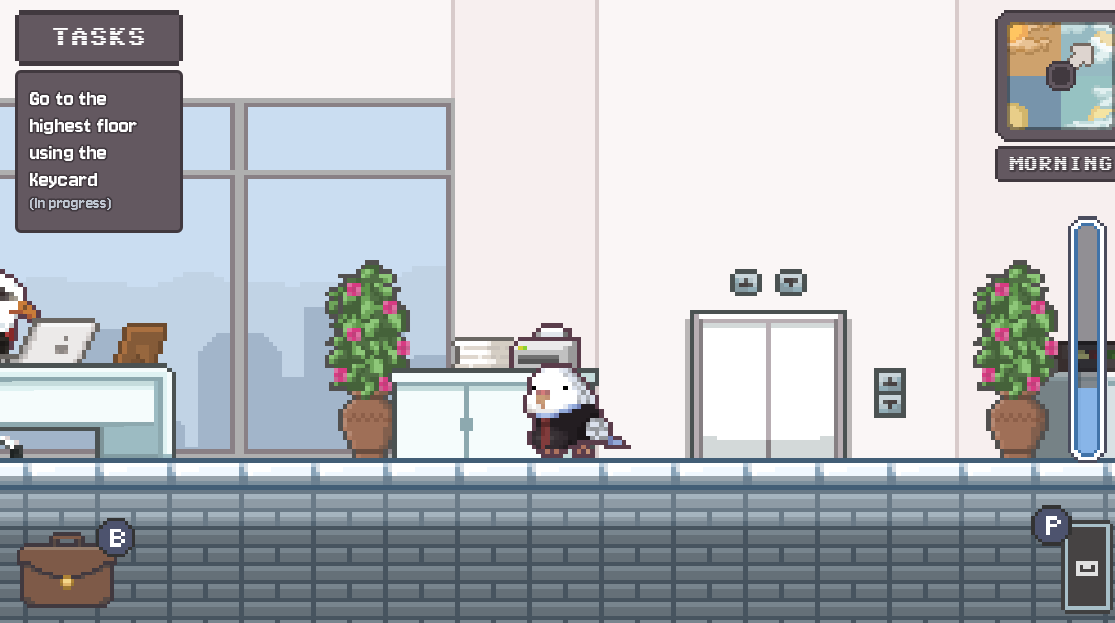
Bird Corp is a short narrative serious game set in a fictional corporate office populated by anthropomorphic bird characters. The game starts out with the player stepping into their first day at work, meeting colleagues, attending a meeting, and running errands. However, throughout the game, the player picks up on things that don’t quite add up, and what began as a typical “first day at work” shifts into something investigative.
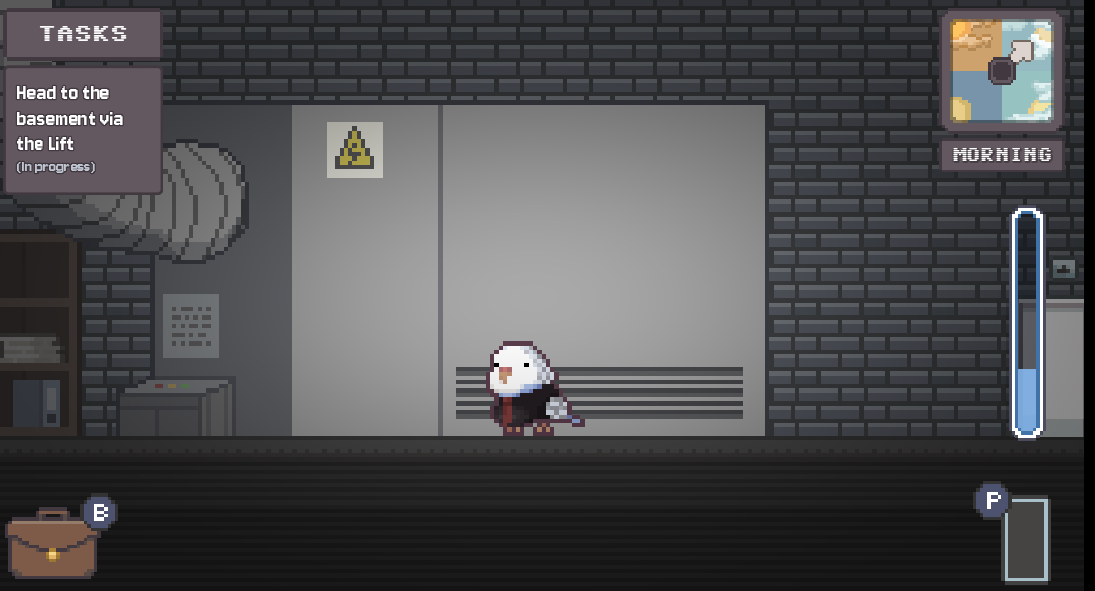
The core arc involves uncovering Bird Corp’s hidden secret. Near the end of the game, the player gains access to a restricted basement, which reveals the fact that the company has been drawing vast amounts of electricity and water to power the company’s AI systems. That moment is designed to reframe everything the player has been doing up to that point.
What the Game Is Trying to Do
The aim of Bird Corp is to raise awareness of the environmental costs of AI use in a way that feels experiential rather than instructional. Rather than reading about data centres or carbon footprints, the player lives inside a world where AI is completely normalised. The hope is that by experiencing that normalisation and then having it challenged, players come away with a different perspective on their own everyday AI habits.
The game is not trying to tell people to stop using AI. That would be unrealistic. Instead, it is about encouraging more deliberate and thoughtful use, and recognising that what feels invisible and effortless on the surface actually depends on a very real physical infrastructure.
The Academic Context
Bird Corp sits within the area of serious game design, which is games built with an educational or social purpose beyond entertainment. My research drew on frameworks in game design theory, player agency, and practice-based creative research to shape both the structure of the game and the process of making it. The game was developed iteratively over the course of the module, with each stage of building, testing, and reflecting feeding back into the next.
Thinking About Agency
One concern I had was whether a game with only one ending could still feel meaningful. I came across ideas around player agency that helped me work through this. The argument that stuck was that you don’t need total freedom for a game to feel purposeful. Agency can come through constrained involvement where the player feels genuinely entangled in the world rather than just moving through it. That reassured me that a guided narrative could still feel purposeful, as long as the player’s actions mattered within it. I also read about procedural rhetoric, the idea that the argument should come through what the player does rather than what they read. These became a core principle for how I built the mechanics.
Theoretical Framework: The Triadic Model
To ensure this project functions as a true Serious Game rather than dry “edutainment,”, the Harteveld’s Triadic Game Design Model ended up being the most useful framework I found that guided me throughout my game design (Harteveld and Kortmann, 2009).
This framework balances the core design elements, ensuring the experience remains engaging while delivering genuine educational value. The model consists of three essential elements that work together to create meaningful gameplay experiences: Reality, which connects players to real-world contexts; Meaning, which provides genuine learning opportunities; and Play, which ensures the experience remains immersive and enjoyable through engaging characters, storylines, and challenges.
Applying the Triadic Model to Bird Corp
In designing Bird Corp, I have deliberately mapped each element of the triadic model to specific game features:
Reality
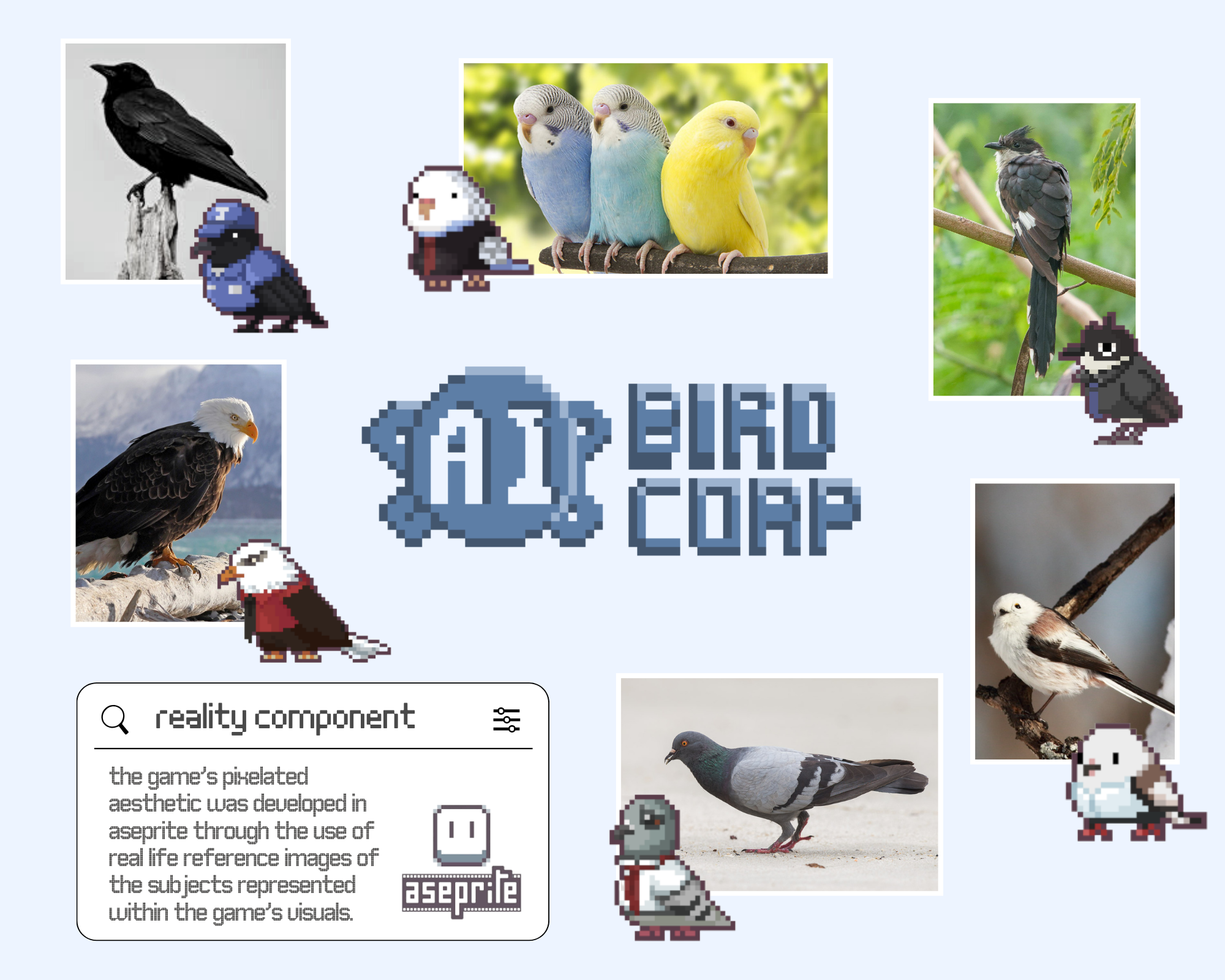
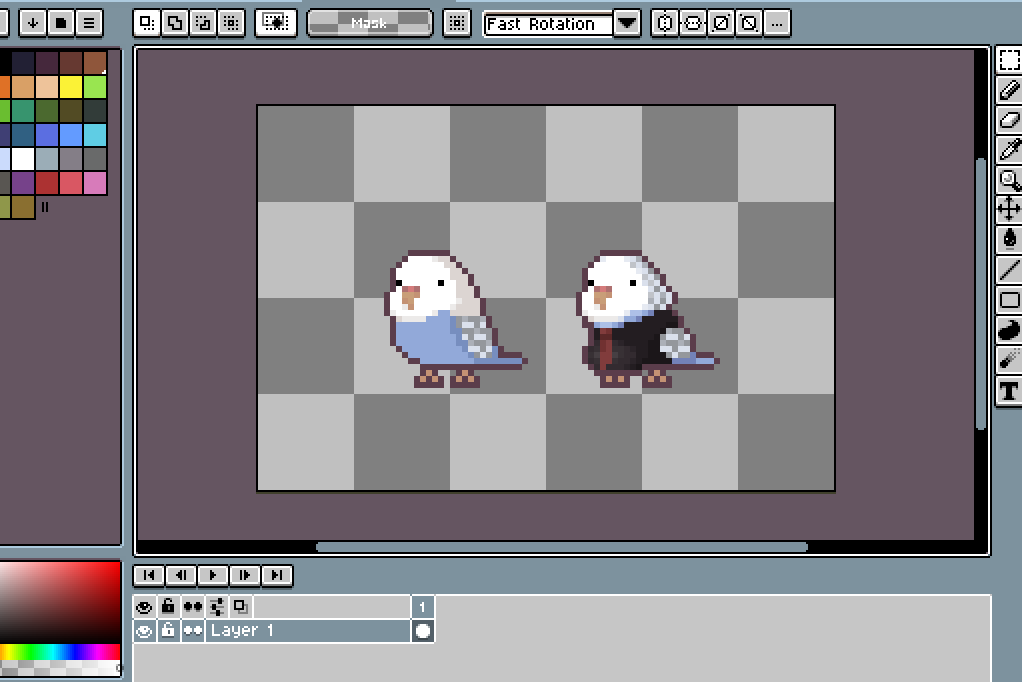
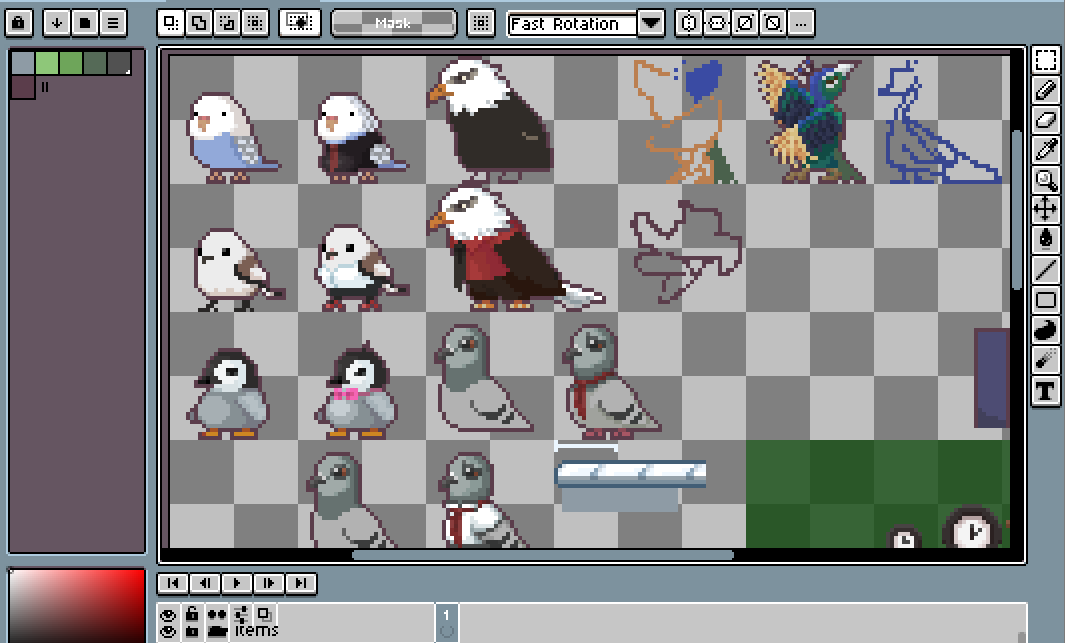
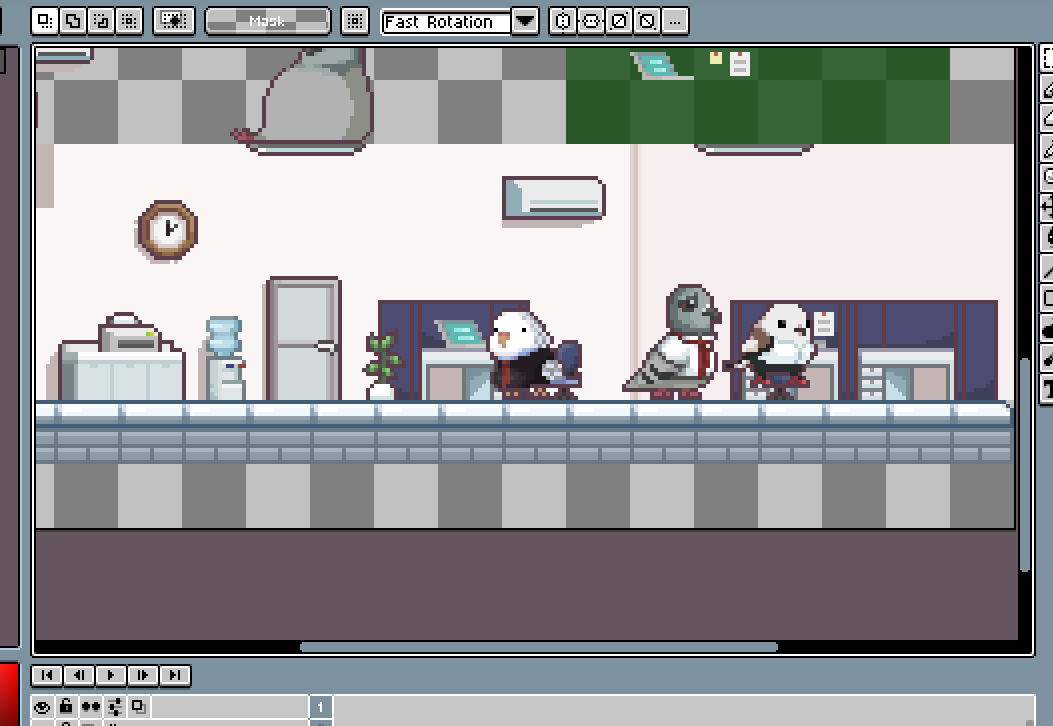
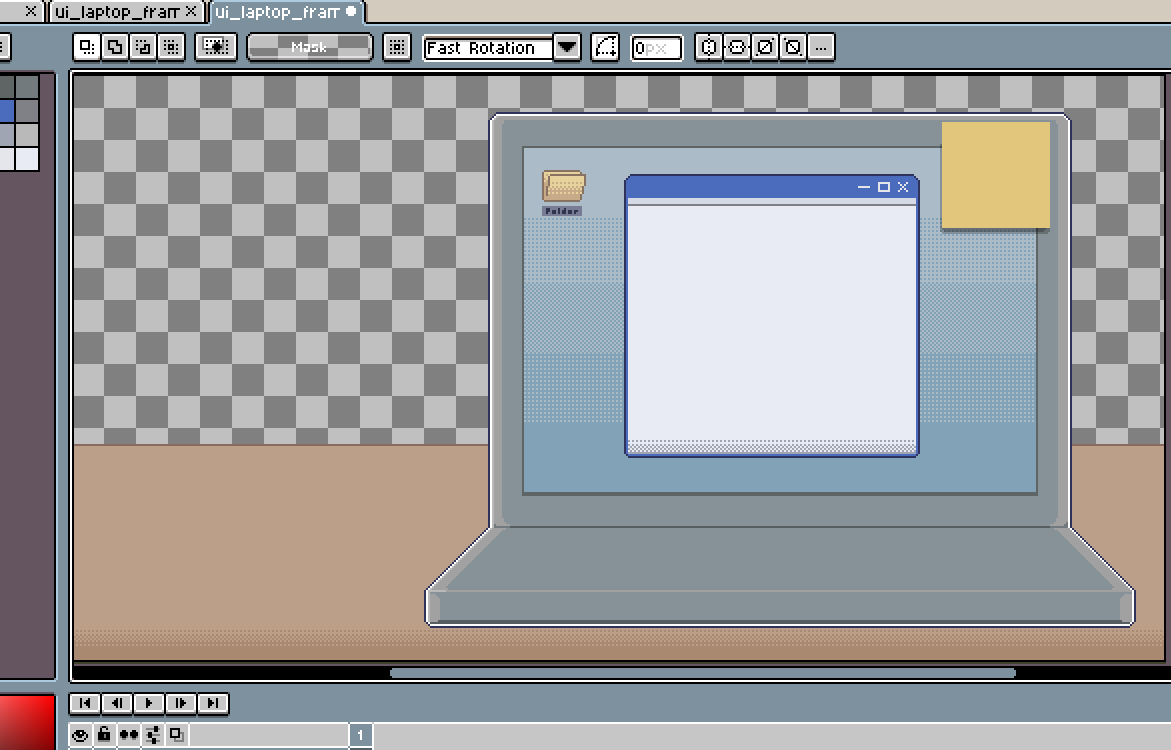
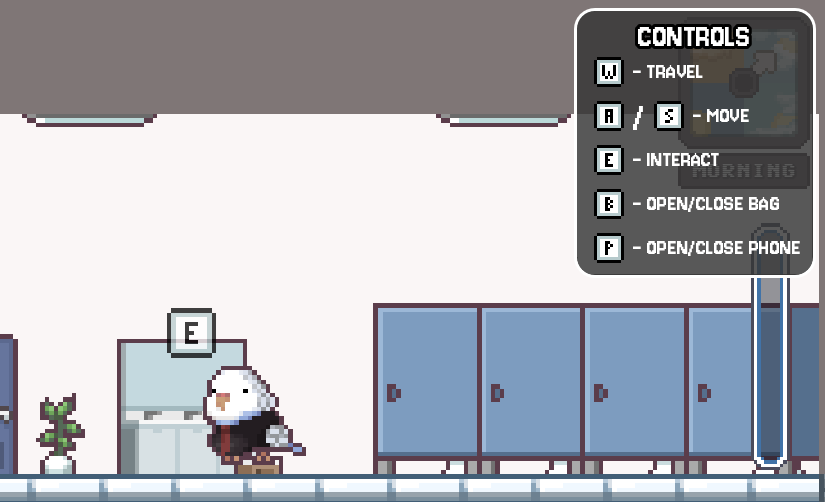
Pixel-art office spaces, characters, and objects are based on real workplace references. This keeps the world recognisable and grounded in familiar office hierarchy, routine, and pressure.
Play
Mini-tasks, quests, interactable objects, and the manual-vs-BirdAI system create structured agency. Players make meaningful choices through pacing and participation, not open-world freedom.
Meaning
Meaning comes through delayed contrast: AI use is rewarded early, then reframed as environmentally costly through narrative escalation and the basement reveal.
Procedural Rhetoric: Learning Through Mechanics
Building upon the triadic model, I am also incorporating Bogost’s (2007) concept of procedural rhetoric — the idea that games persuade through their rules and systems rather than explicit messaging. As Bogost argues, games are uniquely positioned to make arguments through the processes they model.
In Bird Corp, the core "Manual vs. AI" choice mechanic embodies procedural rhetoric: by making AI the easier option with hidden long-term consequences, the game's rules themselves argue about the seductive danger of convenience over sustainability. Players don't read about this tension — they experience it through gameplay.
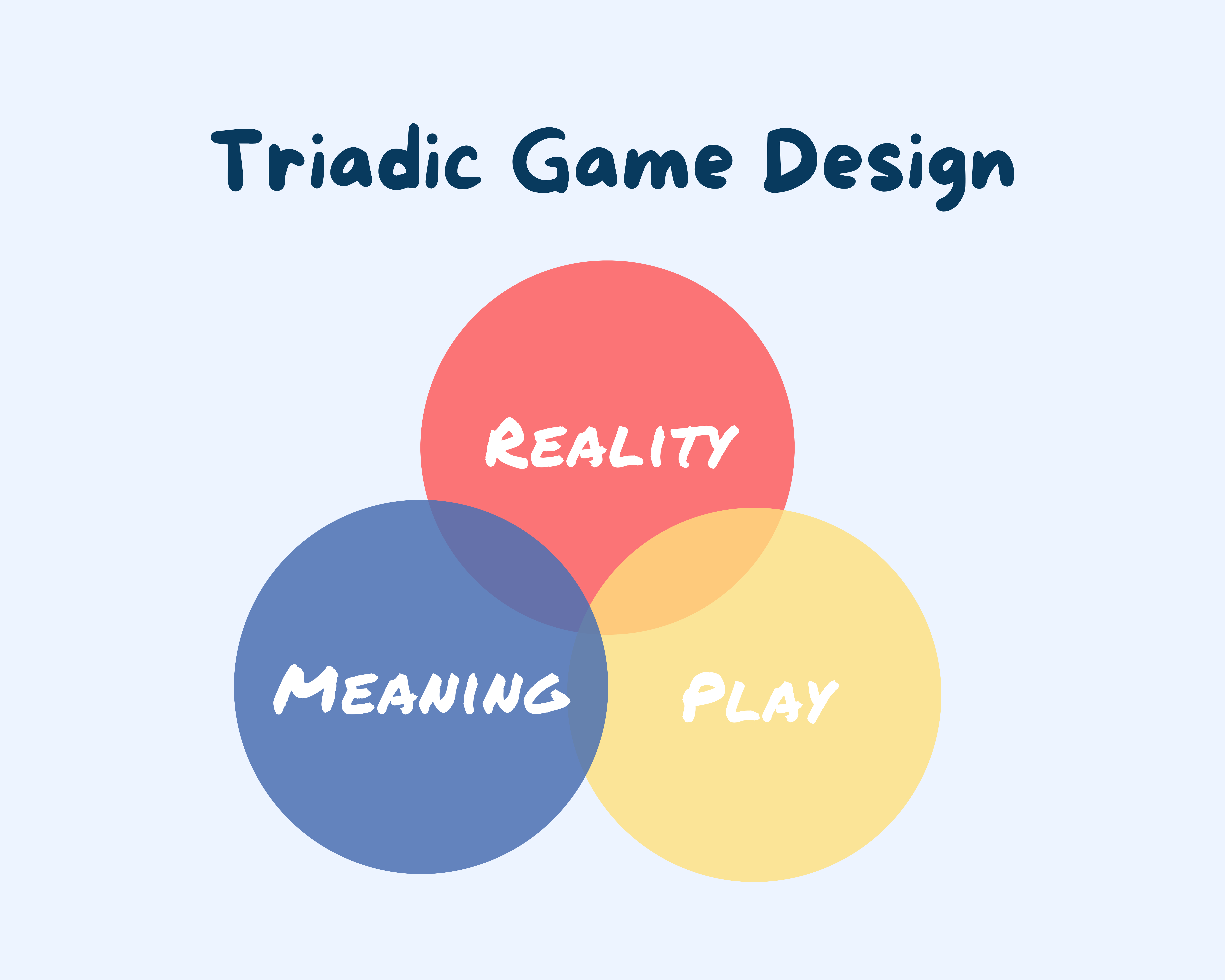
Triadic Game Design
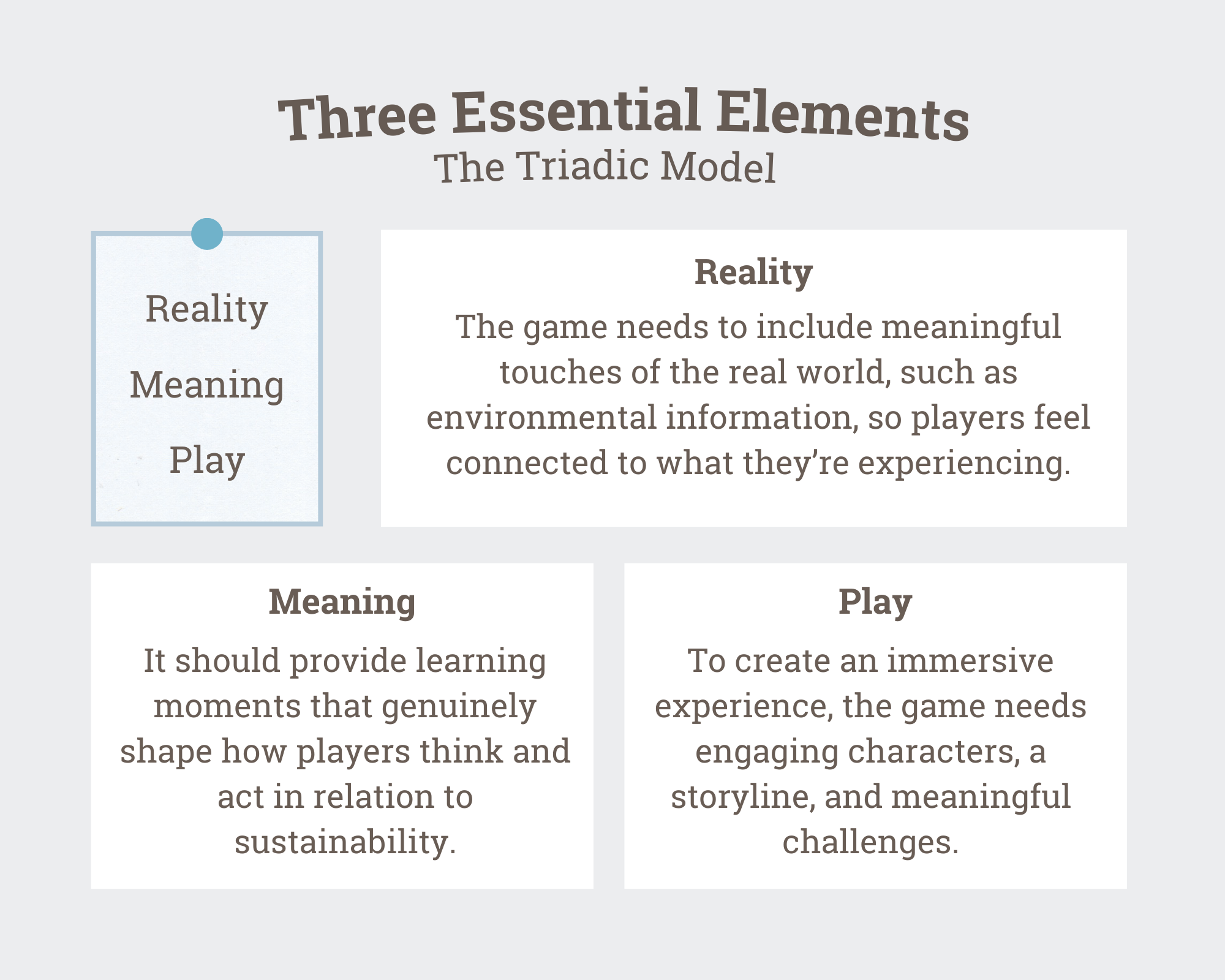
The Three Essential Elements
References
Bogost, I. (2007). Persuasive Games: The Expressive Power of Videogames. MIT Press.
Harteveld, C. and Kortmann, R. (2009). 'Serious Gaming, an Introduction', in Triadic Game Design: Balancing Reality, Meaning and Play. Springer, pp. 3-19.
López, N. and Julio, P. (2020). 'Plot Twists as a Narrative Mechanic in Video Games', Game Studies, 20(1).
Risley, K. et al. (2025). 'Abstraction and Realism in Serious Games: Balancing Engagement and Learning', International Journal of Serious Games, 12(2), pp. 45-62.